




Understanding Astaxanthin Antioxidant
What Is Astaxanthin?
Astaxanthin is a powerful carotenoid and a member of the xanthophyll family, known for its deep red pigment. It is primarily found in marine organisms such as microalgae, shrimp, and salmon, contributing to their vibrant colors. Unlike many antioxidants, astaxanthin can cross the blood-brain barrier and the blood-retinal barrier, allowing it to exert its protective effects on both the nervous system and the eyes. It boasts numerous potential health benefits, making it one of the most researched antioxidants today.
Sources of Astaxanthin Antioxidant
The primary source of astaxanthin is the microalgae Haematococcus pluvialis, which produces it as a response to stress. Other natural sources include various seafood, such as salmon, shrimp, crabs, and lobsters. In addition, certain plants and yeasts also contain astaxanthin, though in much lower concentrations. For individuals seeking to enhance their antioxidant intake, incorporating these foods into their diet can be beneficial. Alternatively, astaxanthin antioxidant supplements are available, offering a concentrated source for enhancing health.
Mechanism of Action in the Body
Astaxanthin operates as a potent antioxidant by neutralizing free radicals that can cause cellular damage, thereby reducing oxidative stress. It is unique in its structure, allowing it to scavenge both hydrophilic and lipophilic free radicals. This unique action helps maintain cell membrane integrity and can protect inflammatory responses by modulating immune system activity. Furthermore, astaxanthin’s ability to enhance immune response and improve blood circulation further supports its holistic health benefits.
Health Benefits of Astaxanthin Antioxidant
Antioxidant Properties and Cellular Protection
Astaxanthin exhibits remarkable antioxidant properties, surpassing many other common antioxidants, such as vitamin C and vitamin E. Studies show that it can reduce oxidative damage at the cellular level, protecting vital organs and tissues from aging-related decline. The compound’s lipid-soluble nature allows it to integrate into cell membranes, thereby providing a protective barrier against oxidative stress. This cellular protection is crucial in preventing chronic diseases, promoting overall wellness, and aiding in the longevity of cells.
Supporting Eye Health with Astaxanthin
Research highlights that astaxanthin is particularly beneficial for eye health. It plays a role in protecting the retina and the macula, potentially preventing age-related macular degeneration. Its ability to filter harmful blue light and reduce eye fatigue makes it a popular choice among individuals who spend significant time in front of digital screens. This protective effect on the eyes also links to improved vision and less strain, adding to the overall quality of life.
Astaxanthin for Skin Vitality
With its strong antioxidant properties, astaxanthin may also enhance skin health and vitality. It helps combat UV-induced skin damage, reduces the appearance of fine lines and wrinkles, and promotes skin elasticity and hydration. By preventing oxidative stress in skin cells, astaxanthin contributes to a more youthful complexion. Moreover, some studies suggest that it may help alleviate conditions like acne and psoriasis, making it a versatile option for improving skin health.
Incorporating Astaxanthin Antioxidant into Your Diet
Supplement Forms and Recommendations
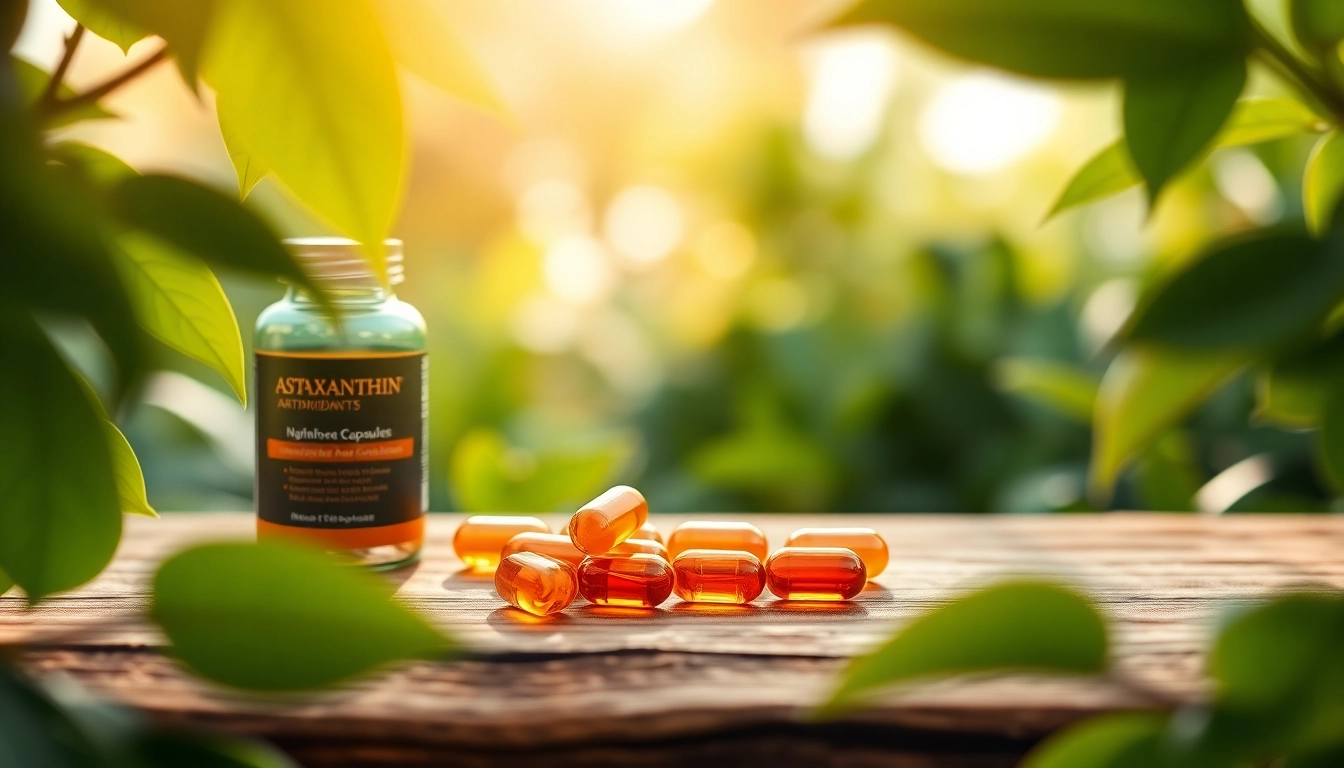
Astaxanthin is available in various supplement forms, including soft gels, powders, and capsules. The recommended dosage often ranges from 4 to 12 mg per day, but it’s advisable to consult with a healthcare professional to determine the appropriate amount based on individual health needs and conditions. When choosing an astaxanthin supplement, opt for products that specify their source as Haematococcus pluvialis to ensure quality and effectiveness.
Recipe Ideas Featuring Astaxanthin
Incorporating astaxanthin-rich foods into your meals can be both simple and delicious. Here are a few ideas:
- Salmon Salad: Mix grilled salmon, mixed greens, and a dressing of olive oil and lemon for a healthy meal.
- Spicy Shrimp Tacos: Use grilled shrimp seasoned with spices and serve in corn tortillas with fresh toppings.
- Smoothie Bowl: Blend blueberries, banana, and a scoop of astaxanthin powder for a vibrant breakfast.
These recipes not only include astaxanthin but also present other nutrients that enhance overall health.
Dosage Guidelines and Safety
When considering the introduction of astaxanthin into your diet, it is essential to adhere to recommended dosage guidelines. Generally, most studies suggest a safe and effective dosage range between 4 and 12 mg daily. As astaxanthin is considered safe for most individuals, those with specific health conditions or pregnant and nursing women should consult healthcare professionals before use. Additionally, be vigilant for any adverse reactions, though rare, as everyone’s tolerance can vary.
Scientific Studies on Astaxanthin’s Efficacy
Key Research Findings on Antioxidant Benefits
Numerous studies have demonstrated the antioxidant efficacy of astaxanthin. For instance, research has shown that astaxanthin can achieve approximately 6000 times greater antioxidant capacity than vitamin C. Furthermore, clinical trials have indicated its potential benefits in preventing oxidative stress-related conditions, including certain cardiovascular diseases. Meta-analyses reveal that astaxanthin supplementation significantly reduces markers of oxidative stress, showcasing its potential for health maintenance.
Astaxanthin and Physical Performance
Astaxanthin has garnered attention among athletes and fitness enthusiasts due to its potential to enhance physical performance. Studies suggest that astaxanthin supplementation may help reduce exercise-induced oxidative damage, improve endurance, and enhance recovery times. When consumed regularly, athletes have reported improved muscle performance and reduced fatigue, indicating that astaxanthin could be a valuable addition to training regimes.
Potential Risks and Considerations
While astaxanthin is generally safe, some individuals may experience mild side effects, such as stomach upset or changes in skin coloration at high doses. It is essential to find a balance and adhere to the recommended dosage. Pregnant women, nursing mothers, and individuals with specific health conditions should seek advice from a healthcare provider before starting supplementation. Furthermore, ensure to choose high-quality products to avoid contaminants often present in lower-quality supplements.
Frequently Asked Questions About Astaxanthin Antioxidant
What are the main benefits of astaxanthin antioxidant?
Astaxanthin antioxidant supports eye health, enhances skin vitality, reduces oxidative stress, and improves athletic performance.
Can I get astaxanthin from food sources?
Yes, astaxanthin can be sourced from marine life, especially salmon and shrimp, as well as microalgae.
Is astaxanthin safe for everyone to take?
Generally safe, astaxanthin may not be suitable for pregnant women or individuals with certain medications. Consult a healthcare provider.
How does astaxanthin compare to other antioxidants?
Astaxanthin is significantly more potent than many common antioxidants, such as vitamin C and E, in neutralizing free radicals.
What should I look for in an astaxanthin supplement?
Choose supplements derived from Haematococcus pluvialis, verify third-party testing, and ensure optimal dosage for best effectiveness.