




Understanding Marginal Pond Plants
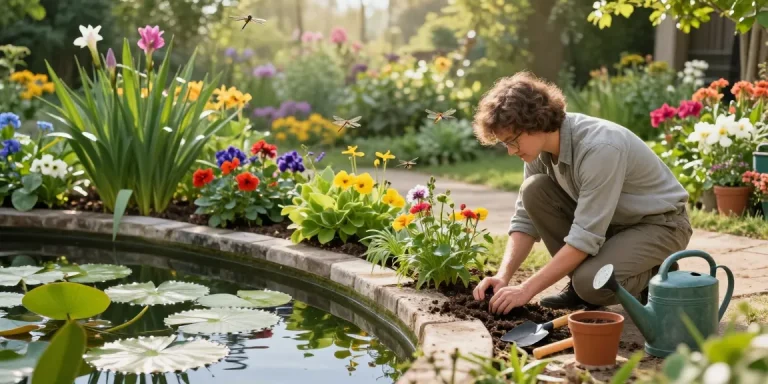
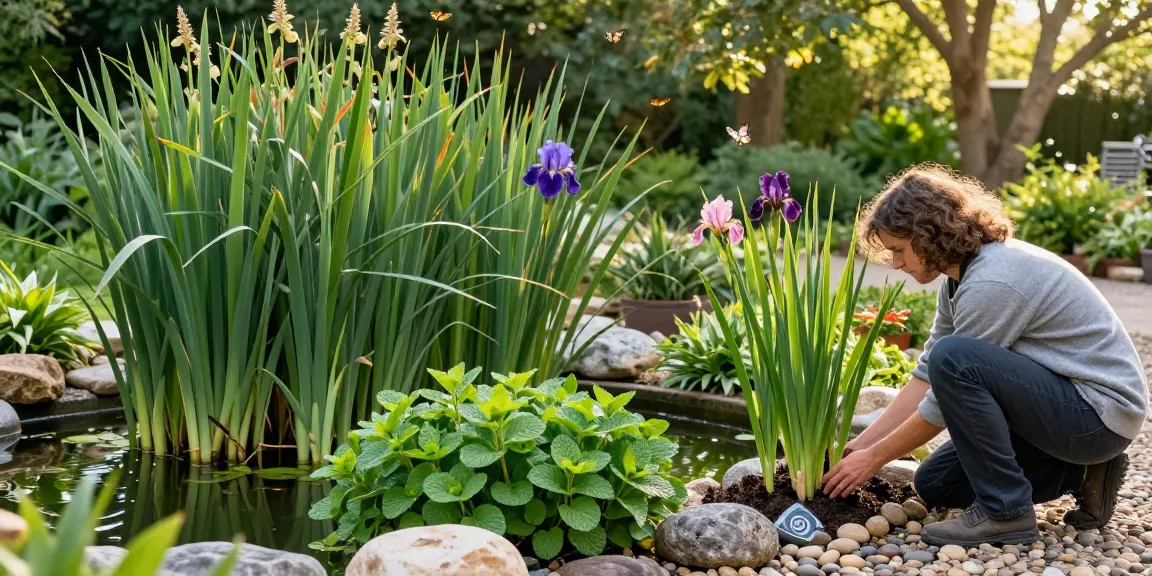
Marginal pond plants are an essential component of any aquatic ecosystem, forming the transitional zone between water and land. These plants thrive in shallow water, typically within a few inches to a couple of feet deep, and can significantly enhance the biodiversity and aesthetic appeal of ponds. By incorporating Marginal Pond Plants into your water garden, you not only improve the overall health of the pond but also provide a habitat for various wildlife species.
What Are Marginal Pond Plants?
Marginal pond plants refer to various species that grow at the edges of ponds, lakes, and wetlands, where the land meets the water. These plants typically include sedges, rushes, and various flowering plants that flourish in moist conditions. They play a vital role in stabilizing the pond’s banks and providing shelter for aquatic life. Moreover, marginal plants help in filtering runoff, reducing pollutants’ entry into the water body.
Benefits of Marginal Pond Plants in Ecosystems
Integrating marginal pond plants into your water feature yields multiple ecological benefits:
- Water Quality Improvement: These plants filter pollutants and excess nutrients from the water, thus enhancing its clarity and quality.
- Habitat Creation: Marginal plants provide essential habitats for frogs, insects, and birds, promoting biodiversity.
- Soil and Bank Stabilization: Their root systems help stabilize the pond’s banks, reducing erosion and sedimentation.
- Aesthetic Value: They add natural beauty and diversity to your pond, creating visual interest.
Common Types of Marginal Pond Plants
There is a plethora of species to choose from when selecting marginal pond plants. Some of the most common types include:
- Water Iris (Iris pseudacorus): Known for stunning yellow flowers, water iris adds vibrant colors.
- Pickerel Weed (Pontederia cordata): This plant has heart-shaped leaves and produces purple flowers, attracting pollinators.
- Cat Tails (Typha spp.): These tall, grass-like plants are iconic for their fluffy brown spikes and provide excellent wildlife habitat.
- Marsh Marigold (Caltha palustris): With its bright yellow flowers, it adds instant cheer to pond margins in spring.
The Role of Marginal Pond Plants in Biodiversity
Marginal pond plants are not just visually appealing; they are integral to supporting and enhancing biodiversity in aquatic ecosystems.
Supporting Wildlife with Marginal Pond Plants
These plants offer shelter, food, and breeding grounds for various wildlife. Birds, amphibians, and insects find sanctuary amid dense foliage, while fish often use these areas for spawning. The presence of marginal plants is crucial in maintaining healthy populations of local species and supporting ecosystem resilience.
Enhancing Aquatic Ecosystems
Marginal pond plants help create a complex habitat that contributes to the overall health of the aquatic ecosystem. By providing oxygen and acting as natural filters, these plants support aquatic life and maintain ecological balance. Their decomposition process also contributes organic matter, enriching the pond’s nutrient profile.
Balancing Water Chemistry with Plant Integration
Integrating marginal plants into pond design can significantly influence water chemistry. They actively absorb excess nutrients like nitrogen and phosphorus, which may otherwise lead to algal blooms. Additionally, these plants help to maintain a suitable pH balance and temperature, creating an optimal environment for fish and other aquatic organisms.
Designing Your Pond with Marginal Plants
Effective pond design involves strategic planning to incorporate marginal plants seamlessly into your landscape.
Best Practices for Planting Marginal Pond Plants
When planting marginal plants, consider the following best practices:
- Choose Appropriate Species: Select plants that suit your local climate and pond conditions.
- Group Plants: Plant in clusters for a natural look and to enhance biodiversity.
- Plant Depth: Ensure plants are placed at correct depths to meet their specific needs.
Creating a Natural Aesthetic with Marginal Plants
To create a visually appealing pond, consider a variety of heights, colors, and textures. Mixing taller plants like cat tails with shorter species such as water lilies can provide depth and interest. Additionally, allowing some plants to grow wild can enhance the natural look of your pond.
How to Maintain Your Marginal Plant Garden
Maintenance of marginal pond plants is essential for their vitality. Regularly check for invasive species and remove them promptly. Also, periodically trim back overgrown plants to ensure they don’t crowd out others and affect the pond’s health.
Common Challenges with Marginal Pond Plants
Despite their numerous benefits, there are challenges associated with maintaining marginal pond plants.
Dealing with Invasive Plants and Weeds
Many marginal plants can become invasive if not managed properly. Regular monitoring and intervention are critical to ensure that these plants do not overpower native species. Employing manual removal or using barriers can help control their spread.
Pond Water Quality Issues
Maintaining water quality can be challenging, especially in areas with heavy runoff or pollution. Implementing a filtration system, ensuring proper aeration, and regularly testing water quality can mitigate problems.
Adapting to Seasonal Changes
Marginal plants may require different care based on the season. In winter, some plants may die back, necessitating careful pruning in the spring to promote new growth. Understanding the specific requirements of each plant type is essential for successful management.
Future Trends in Aquatic Planting
As we look towards the future, several trends are expected to shape the landscape of aquatic planting, particularly concerning marginal pond plants.
Innovative Techniques for Plant Selection
The adoption of technological advancements in horticulture, such as hydroponics and aquaponics, may lead to innovative plant selection and cultivation techniques for marginal plants, promising healthier growth and diversity.
Growth Predictions for 2026 and Beyond
Research suggests a growing trend towards the use of native marginal plants to enhance local ecosystems, with predictions indicating increased awareness of sustainable gardening practices by 2026.
Engaging Communities in Aquatic Gardening
Community gardens and educational workshops are increasingly popular as ways to engage the public in the benefits of marginal planting. Building a sense of community around aquatic gardening helps foster stewardship and environmental awareness.
What are the benefits of using marginal pond plants?
Marginal pond plants offer multiple benefits including improved water quality, erosion control, and habitat creation for wildlife. They enhance the ecological balance of the pond and contribute to its aesthetic beauty.
Can marginal pond plants help with water quality?
Absolutely! Marginal pond plants effectively filter pollutants, absorb excess nutrients, and provide oxygen, which collectively enhances water quality within the pond.
How do I choose the right marginal plants for my pond?
Consider factors such as your local climate, the depth of your pond, and the desired aesthetic. Native plant species are often a good choice as they are well-adapted to local conditions.
What maintenance is needed for marginal pond plants?
Regular maintenance includes monitoring for invasive species, trimming overgrown plants, and ensuring water quality remains balanced. Seasonal adjustments may also be required depending on plant types.
Are there any pests associated with marginal pond plants?
While pests may occur, many marginal plants are resilient. However, monitoring for common pests like aphids or caterpillars is advisable, and organic pest control methods can be employed when necessary.