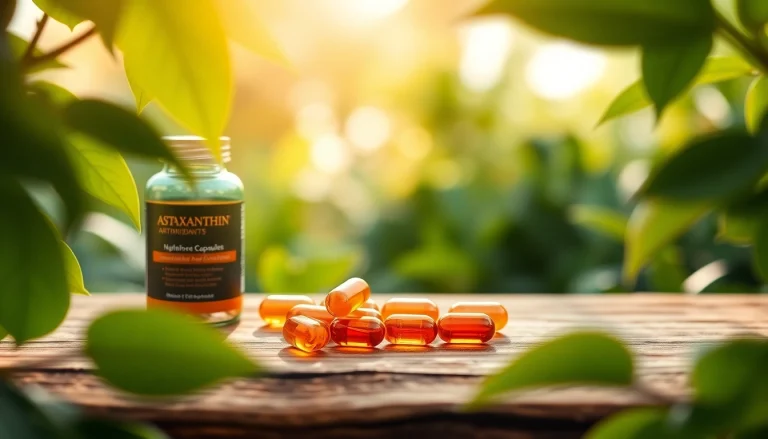





Understanding Astaxanthin Antioxidant: An In-Depth Overview
In recent years, the conversation around antioxidants has gained momentum, with communities actively seeking out potent natural sources to bolster their health. One of the standout players in this domain is astaxanthin antioxidant, a carotenoid with numerous scientifically-backed health benefits. In this article, we will explore what astaxanthin is, its key health benefits, its comparison with other antioxidants, and more. By the end, you will have a comprehensive understanding of this remarkable compound and how to incorporate it into your daily regimen for optimal health.
What is Astaxanthin?
Astaxanthin is a powerful red pigment found primarily in microalgae, yeast, and the skin of certain seafood like shrimp and salmon. It belongs to a class of compounds known as carotenoids, which are well-known for their health benefits and vivid colors in nature. Unique among carotenoids, astaxanthin exhibits one of the highest antioxidant activities, making it a sought-after supplement among health enthusiasts.
This compound is produced by the microalgae Haematococcus pluvialis under specific conditions, such as exposure to sunlight and nutritional stress. The intense hue of astaxanthin, responsible for giving the reddish color to marine life, is a telltale sign of its potent antioxidant properties.
Key Health Benefits of Astaxanthin Antioxidant
Astaxanthin is revered for a multitude of health benefits, ranging from its effects on the immune system to its potential use in skin and eye health. Below are some of the most notable benefits:
- Powerful Antioxidant Effects: Astaxanthin exhibits a remarkable ability to quench free radicals, protecting cells from oxidative stress which is linked to aging and chronic diseases.
- Anti-Inflammatory Properties: Numerous studies indicate astaxanthin can inhibit the production of pro-inflammatory compounds, making it a potential ally in managing inflammatory diseases.
- Eye Health Support: Astaxanthin has shown promise in shielding the eyes from oxidative damage and may help reduce the risk of age-related macular degeneration.
- Skin Protection: Research suggests that astaxanthin can enhance skin elasticity, hydration, and overall appearance while offering protection against UV damage.
- Enhanced Athletic Performance: Some studies suggest that astaxanthin supplementation can improve endurance and recovery in athletes, making it a popular choice in sports nutrition.
How Astaxanthin Compares to Other Antioxidants
When comparing astaxanthin to other well-known antioxidants like vitamin C, vitamin E, or coenzyme Q10, it stands out due to its unique structure and properties. Astaxanthin is highly lipophilic, allowing it to integrate into cell membranes, thus providing protection at the cellular level. Furthermore, it doesn’t become pro-oxidant after it has quenched a free radical, unlike some antioxidants, which can potentially harm cells in high doses.
This distinctive nature of astaxanthin makes it more potent in some cases, especially regarding recovery from physical exertion and direct cellular protection against oxidative stress. While it’s essential to consider a broad spectrum of antioxidants in one’s diet, astaxanthin’s unparalleled capabilities provide a compelling reason to prioritize its inclusion.
The Science Behind Astaxanthin Antioxidant
Mechanisms of Action in the Body
Astaxanthin’s mechanisms of action are primarily centered around its antioxidant properties. By neutralizing free radicals, it minimizes the risk of cellular and tissue damage. It also modulates key signaling pathways, leading to reduced inflammation and enhanced immune function. Through these actions, astaxanthin not only protects but also rejuvenates cellular health, essential for maintaining longevity.
Recent Research Findings
Recent research has unveiled a plethora of potentially beneficial effects of astaxanthin. Studies have shown that astaxanthin supplementation significantly reduces exercise-induced oxidative stress and inflammation, improving recovery time for athletes. Furthermore, several clinical trials suggest that consistent intake of astaxanthin can contribute to better skin health, offering protection from ultraviolet rays and enhancing skin hydration.
Moreover, a growing body of research suggests astaxanthin may benefit cardiovascular health by improving lipid profiles and promoting vascular health. Continued studies are necessary to explore these benefits further, but the current data presents astaxanthin as a stellar candidate for health maintenance.
Potential Side Effects and Safety Concerns
Generally regarded as safe, astaxanthin has minimal reported side effects. However, some individuals may experience mild gastrointestinal discomfort or changes in skin coloration when taken in high doses. As with any supplement, it’s wise to consult healthcare professionals before incorporating astaxanthin, particularly for individuals with underlying health conditions or those on medications. Overall, when used responsibly, astaxanthin is a safe addition to a health-focused regimen.
Incorporating Astaxanthin Antioxidant into Your Diet
Natural Food Sources of Astaxanthin
For those looking to incorporate astaxanthin naturally, several food sources are rich in this compound. The primary sources include:
- Salmon: Wild-caught salmon is not only a rich source of omega-3 fatty acids but also provides a significant amount of astaxanthin.
- Krill Oil: Krill, small crustaceans, are renowned for their high astaxanthin content used extensively in supplements.
- Algae: Certain microalgae, such as Haematococcus pluvialis, contain the highest concentration of astaxanthin and are often used in supplements.
- Shellfish: Shrimp, lobster, and crab flesh also contain valuable amounts of astaxanthin.
Incorporating these foods into your diet can naturally boost your astaxanthin levels while providing additional health benefits associated with the omega-3 fats and proteins found in them.
Recommended Dosage and Supplement Formulation
When it comes to supplementation, doses may vary based on individual health needs, but most studies suggest a daily intake of 4 to 12 mg can be effective. It is crucial to select high-quality supplements that provide pure astaxanthin, typically derived from microalgae. As always, consulting a healthcare provider is recommended to tailor the dosage to personal health profiles.
Best Practices for Usage
For optimal absorption, taking astaxanthin with a meal containing fat is recommended, as it is fat-soluble. Regularity in consumption also contributes to better health outcomes, so establishing a routine may be beneficial. Moreover, considering the sourcing of astaxanthin is essential—purity, sustainability, and environmentally friendly practices can enhance the overall benefits of supplementation.
Real-Life Applications and Case Studies
Success Stories from Astaxanthin Users
An increasing number of individuals have reported transformative benefits from astaxanthin supplementation. Users often cite improvements in energy levels, enhanced cognitive function, and better skin health. Testimonials reveal that consistent intake leads to noticeable changes, especially in physical performance and recovery time post-exercise.
Astaxanthin in Sports and Performance Enhancement
Astaxanthin’s role in enhancing athletic performance has been a focal point of recent studies. Athletes consuming astaxanthin have reported improved endurance, faster recovery times, and reduced muscle soreness post-exercise. By mitigating oxidative stress and inflammation, astaxanthin allows for prolonged training sessions and better overall athletic performance.
Astaxanthin’s Role in Skin Health
Astaxanthin has shown considerable promise in protecting the skin against the harmful effects of UV exposure. Studies suggest it improves skin hydration, elasticity, and overall complexion. Many users have indicated fewer signs of aging or sun damage after regular use, showcasing its potential as a topical and supplemental ally in maintaining youthful skin.
FAQs about Astaxanthin Antioxidant
What is the primary source of astaxanthin?
The primary source of astaxanthin is the microalga Haematococcus pluvialis, renowned for its high astaxanthin concentration.
Can astaxanthin help with eye health?
Yes, astaxanthin may support eye health by protecting against oxidative damage and reducing the risk of age-related macular degeneration.
Is astaxanthin safe for long-term use?
Generally, astaxanthin is considered safe for long-term use, but individuals should consult healthcare providers before starting supplementation.
How can I identify quality astaxanthin products?
Look for products sourced from microalgae, check for third-party testing, and ensure they contain pure astaxanthin without unnecessary fillers.
What are the best ways to consume astaxanthin?
The best way to consume astaxanthin is through a balanced diet rich in seafood or through high-quality supplements, ideally with meals containing fats for better absorption.