




Understanding Astaxanthin Antioxidant: A Comprehensive Overview
Astaxanthin is a powerful carotenoid, recognized for its vivid red color and its remarkable health benefits, particularly due to its strong antioxidant properties. It plays a vital role in protecting cells from oxidative stress, which can contribute to various chronic diseases. Found commonly in marine environments, astaxanthin is an essential nutrient, fostering overall wellbeing. To comprehend the full spectrum of benefits associated with astaxanthin antioxidant, we will delve into its sources, health roles, and myriad advantages.
What is Astaxanthin and Its Source?
Astaxanthin is a naturally occurring carotenoid pigment produced by microalgae, primarily Haematococcus pluvialis. It can be found in seafood, including shrimp, crab, and salmon, which absorb it through their diet. It is responsible for the vibrant pink hues of these creatures and is significant in their development, enhancing their survival through its antioxidant capabilities. In addition to marine sources, astaxanthin can also be derived from certain yeast and fungi. Its deep coloring is not just aesthetic; it serves critical biological functions, particularly in protecting against UV radiation and oxidative stress.
The Role of Antioxidants in Health
Antioxidants such as astaxanthin are crucial to maintaining health by neutralizing free radicals—unstable molecules that can cause cellular damage. Free radicals are produced from normal metabolic processes and external stressors like pollution and UV radiation. When their levels exceed the body’s ability to detoxify them, oxidative stress occurs. This stress has been linked to a myriad of health issues, including inflammation, cardiovascular diseases, and premature aging. Antioxidants actively mitigate these risks by donating electrons to free radicals, thus stabilizing them and preventing further cellular damage.
Benefits of Astaxanthin Antioxidant
The benefits of astaxanthin extend beyond general antioxidant properties. Research has increasingly highlighted its multifaceted roles in enhancing health and preventing diseases. From mitigating muscle soreness post-exercise to supporting eye and skin health, astaxanthin offers a comprehensive health upgrade. Let’s explore some of these benefits in detail.
Astaxanthin Antioxidant: Health Benefits Explored
Boosting Immune Function
A strong immune system is essential for combating infections and diseases. Astaxanthin has shown promising results in enhancing immune function by increasing the efficiency of immune cells like T and B cells. Studies have indicated that astaxanthin can boost antibody responses, thus contributing to a more robust defense system. This is significant during times when the immune system is challenged, helping to reduce the incidence and severity of illnesses.
Protecting Skin Against Aging
One of the most notable cosmetic benefits of astaxanthin is its ability to protect the skin from the damaging effects of UV rays, which can accelerate aging. Astaxanthin is believed to improve skin elasticity, reduce the appearance of fine lines, and enhance overall skin texture. It aids in reducing inflammation and preventing oxidative stress caused by sun exposure, proving to be an exceptional ally for skin health. Regular intake can lead to healthier, more radiant skin.
Enhancing Eye Health
Astaxanthin is particularly beneficial for eye health, offering protection against conditions like age-related macular degeneration (AMD) and retinal damage. Its unique molecular structure allows it to cross the blood-retina barrier, providing direct antioxidant support to eye tissues. Research suggests that astaxanthin can help reduce eye fatigue and improve visual function, particularly for those who spend long hours in front of screens.
Incorporating Astaxanthin Antioxidant into Your Diet
Natural Sources of Astaxanthin
For those interested in naturally incorporating astaxanthin into their diet, consuming fatty fish such as salmon and trout, as well as crustaceans like shrimp and crab, is highly effective. These foods are rich in astaxanthin due to their diet of algae. Additionally, certain supplement forms such as krill oil and microalgae extracts are available, allowing individuals to boost their intake conveniently.
Choosing Quality Supplements
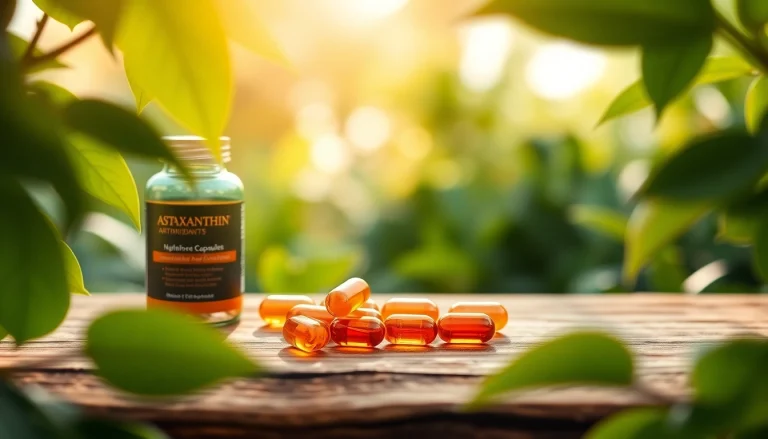
Due to the dietary limitations for some individuals, high-quality supplements can be a vital source of astaxanthin. When choosing supplements, it is essential to look for products that are sourced from reputable manufacturers. Ideally, supplements should contain bioavailable forms of astaxanthin and be free from harmful fillers. Checking for third-party testing certifications can also ensure purity and efficacy.
Dosage Recommendations for Optimal Benefits
Determining the right dosage of astaxanthin can be crucial for maximizing its health benefits. Most research suggests a daily intake of 4 to 12 mg of astaxanthin for adults. However, individual needs may vary based on factors such as body weight and health goals. It is always advisable to consult a healthcare provider before starting any new supplementation to ensure it aligns with your personal health needs.
Research Insights on Astaxanthin Antioxidant Effects
Scientific Studies on Astaxanthin
Numerous scientific studies have explored the health effects of astaxanthin. Research indicates that astaxanthin may improve blood lipid profiles, reduce inflammation, and enhance physical endurance. For instance, studies have shown that athletes consuming astaxanthin demonstrate reduced muscle damage and quicker recovery times, making it a topic of interest in sports nutrition.
Comparative Analysis with Other Antioxidants
When compared to other antioxidants like vitamin C or E, astaxanthin exhibits superior potency in both scavenging free radicals and providing cellular protection. This is attributed to its unique structure, allowing it to work in lipid and aqueous environments. Consequently, it is often deemed a more effective option for combating oxidative stress than many conventional antioxidants.
Future Trends in Astaxanthin Research
The field of astaxanthin research is expanding, with ongoing studies investigating its potential neuroprotective properties and effects on chronic diseases like diabetes and cardiovascular conditions. As scientific interest grows, the future may unveil even more extensive benefits and applications for astaxanthin, paving the way for novel health solutions.
Frequently Asked Questions About Astaxanthin Antioxidants
What makes astaxanthin unique among antioxidants?
Astaxanthin is distinctive due to its superior ability to quench free radicals and protect cellular membranes. It also penetrates various tissues, offering extensive protective benefits throughout the body.
Can astaxanthin help with exercise recovery?
Yes, astaxanthin can aid in exercise recovery by reducing muscle soreness and inflammation, allowing athletes to recover faster and improve performance.
Is astaxanthin safe for long-term use?
Astaxanthin is generally considered safe for long-term use. However, it’s important to follow recommended dosages and consult a healthcare professional for personalized advice.
How does astaxanthin affect cardiovascular health?
Astaxanthin may positively influence cardiovascular health by reducing oxidative stress and inflammation, improving cholesterol levels, and promoting better overall heart function.
What are the side effects of astaxanthin supplements?
Astaxanthin supplements are typically well-tolerated, but some individuals may experience mild digestive issues or changes in skin color at high doses. Always consult with a healthcare professional if concerned.