


Understanding On-Site Hydraulic Repair
What Is On-Site Hydraulic Repair?
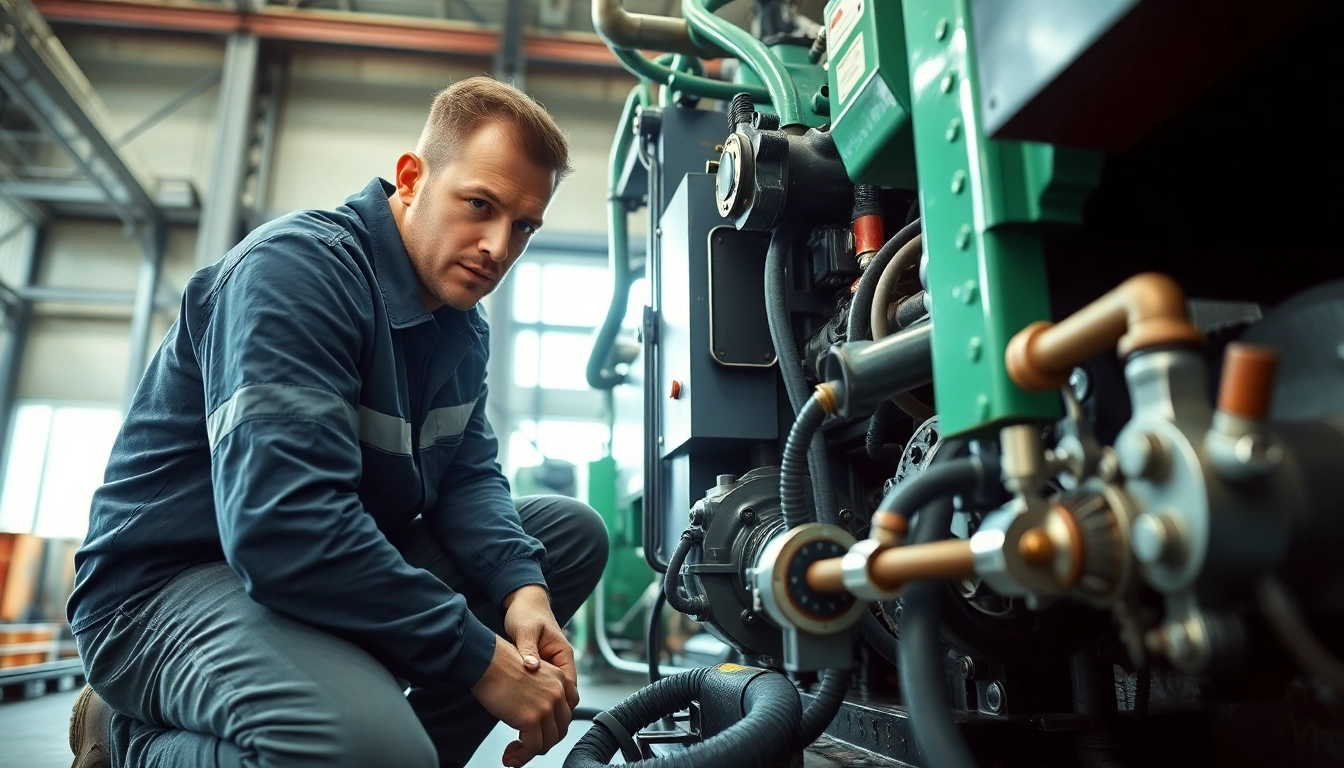
On-site hydraulic repair refers to a specialized service where hydraulic systems are repaired and maintained directly at the location of their use, as opposed to being transported to a workshop. This service is critical for industries relying on heavy machinery and hydraulic equipment, as it minimizes downtime and restores functionality quickly. Technicians equipped with the necessary tools and expertise perform various repairs, including hose replacements, fluid monitoring, and system diagnostics on-site. This is particularly advantageous for construction sites, manufacturing plants, and agricultural operations where equipment failure can halt production.
Importance of On-Site Services
The significance of on-site services cannot be understated. When hydraulic systems fail, the traditional route of transporting machinery for repairs can be time-consuming and costly. On-site hydraulic repair allows companies to address issues in real-time, reducing the risk of prolonged equipment inactivity. Moreover, it enhances operational efficiency, leading to better productivity and lower operational costs. Timely interventions help prevent small issues from escalating into major repairs, thereby safeguarding investment in machinery.
Common Hydraulic Issues Requiring On-Site Repair
Several common hydraulic issues necessitate on-site repair, including:
- Leaking Hoses: One of the most frequent problems is hydraulic hose leaks, which can lead to system failure if not addressed promptly.
- Poor Performance: Symptoms such as sluggish machinery or inconsistent hydraulic power indicate the need for a technician’s assessment.
- Contaminated Fluids: Hydraulic fluid contamination can severely impact system performance, making regular inspections crucial.
- Worn or Damaged Components: Components such as pumps, valves, and cylinders may wear out over time, necessitating replacement or repairs.
Benefits of On-Site Hydraulic Repair
Minimizing Equipment Downtime
The most apparent benefit of on-site hydraulic repair is the significant reduction in equipment downtime. Immediate access to repair services means that faulty hydraulic systems can be diagnosed and fixed without the delays associated with transporting equipment. This leads to enhanced productivity as operations resume faster, ultimately saving money and resources that would be lost during downtime.
Cost-Effective Strategies
On-site hydraulic repairs often present a more cost-effective solution than traditional shop repairs. The expense of transporting equipment and the potential labor costs associated with waiting for repairs is minimized. Moreover, proactive on-site services can extend the life of hydraulic systems by addressing issues before they develop into costly failures. Regular maintenance and inspections, conducted on-site, help identify problems early, further reducing overall repair costs.
Expertise at Your Location
Having skilled technicians on-site brings a level of expertise that is invaluable. These professionals are familiar with various hydraulic systems and can provide tailored solutions that address specific challenges faced by equipment operators. Their ability to quickly diagnose problems and implement effective repairs ensures that operations can continue without significant disruptions.
Choosing the Right Hydraulic Repair Service
Qualifications to Look For
When selecting an on-site hydraulic repair service, it is essential to consider several qualifications:
- Certifications: Look for technicians with relevant certifications in hydraulic repair and maintenance.
- Experience: Companies with a proven track record tend to provide reliable service.
- Technology and Tools: Check if the service provider uses modern diagnostic tools and repair techniques.
- Response Time: Evaluate their ability to offer quick response times, especially for emergencies.
Assessing Service Providers
Choosing the right service provider involves thorough vetting. Begin by researching potential companies to see their customer reviews, testimonials, and past case studies. Socio-economic factors—such as their response time in urgent cases and the level of customer service they provide—are crucial as well. Engaging in conversations with past clients can yield insights into their reliability and quality of work.
Customer Testimonials and Reviews
Customer testimonials and online reviews serve as an essential aspect of evaluating hydraulic repair services. Positive reviews can indicate the quality of the service, while negative comments can provide warnings. Trustworthy review platforms and direct feedback from local businesses in similar industries can give a better perspective on what to expect. Always prioritize companies willing to provide references or case studies that illustrate their successful repairs.
Best Practices for Preventive Maintenance
Regular Inspections
Regular inspections of hydraulic systems are key to preventing unforeseen failures and ensuring optimal performance. Scheduled visual checks and functional testing can help identify leaks, wear, and other issues before they escalate. Implementing a maintenance schedule that includes both preventive tasks and routine check-ups helps create a comprehensive upkeep strategy.
Hydraulic System Cleaning and Maintenance
Maintaining cleanliness in hydraulic systems is crucial for avoiding contamination. Regularly changing filters, cleaning reservoirs, and ensuring that hydraulic fluids remain uncontaminated are essential tasks. These activities help preserve the integrity and effectiveness of hydraulic systems, contributing to longevity and reliability.
Employee Training and Awareness
Training employees to recognize early signs of hydraulic system failure can significantly contribute to preventive maintenance efforts. Equipping staff with knowledge about proper operation and basic troubleshooting methods increases overall efficacy and helps maintain machinery, reducing the chances of unexpected equipment breakdowns.
FAQs about On-Site Hydraulic Repair
How quickly can on-site hydraulic repairs be performed?
The speed of on-site hydraulic repairs varies depending on the issue’s complexity but can typically be addressed within a few hours, minimizing disruption.
What types of equipment can benefit from on-site hydraulic repair?
Almost any equipment incorporating hydraulic functions, including construction machinery, agricultural equipment, and manufacturing systems, can benefit significantly from on-site repair services.
Is on-site hydraulic repair more cost-effective than in-shop repair?
Yes, on-site hydraulic repairs often reduce costs associated with equipment transport and minimize downtime, making it a more economical choice.
What should I do to prepare for an on-site hydraulic repair?
To prepare, ensure the area is accessible for technicians, provide details about the issue, and have any necessary equipment documentation handy for reference.
How often should I schedule on-site hydraulic repairs?
It is advisable to schedule preventive maintenance checks at least annually, with more frequent assessments for equipment in heavy use or older systems to detect early signs of wear.
Contact Information
Call Us: 1 780-452-2876
Email: [email protected]
Address: 13111 159 St NW, Edmonton, AB, Canada, T5V 1H6