


Understanding the Importance of Foam for Rifle Case
Why Foam Matters in Rifle Cases
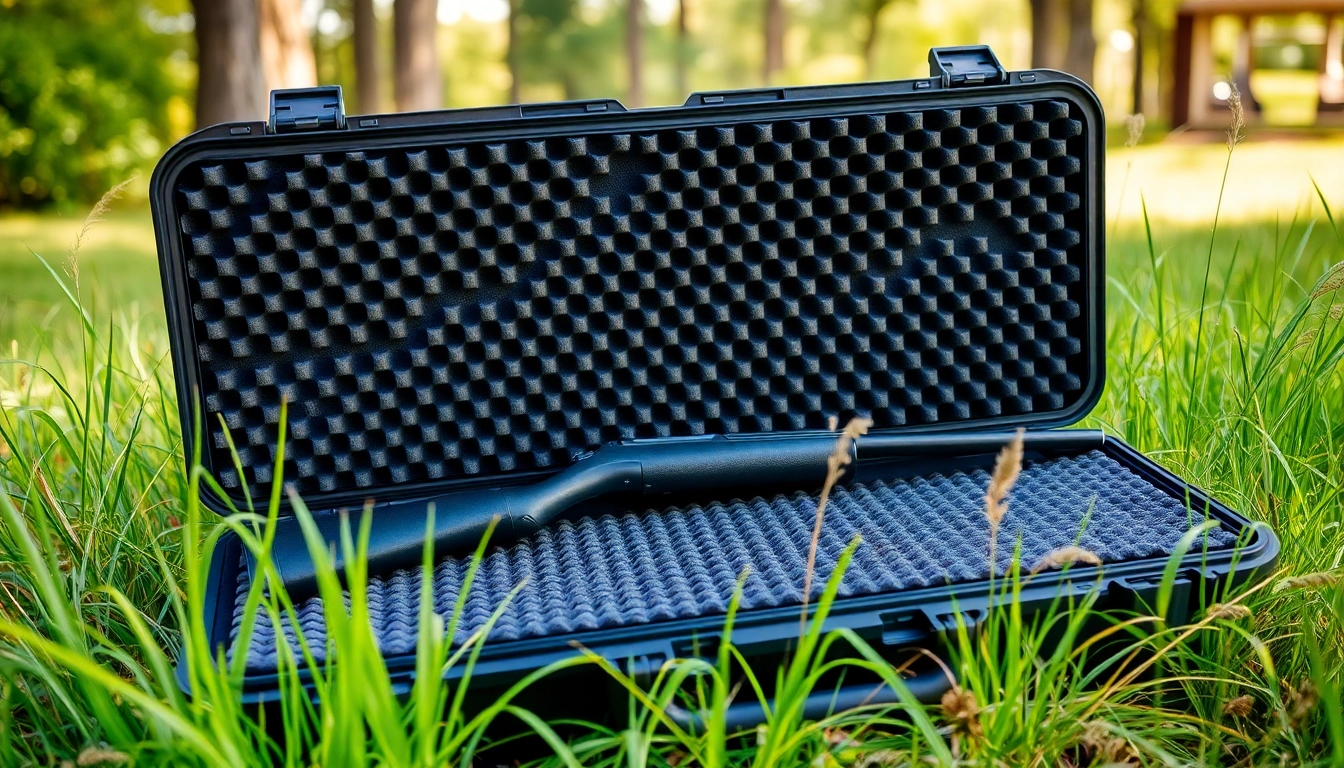
When it comes to safeguarding your valuable firearms, the choice of materials in your rifle case plays a pivotal role. The right foam for rifle case ensures optimal protection from impact, moisture, and environmental wear. It acts as a cushion that absorbs shocks from movement or accidental drops, which could otherwise cause significant damage. In addition, quality foam prevents scratches and scuffs on both your rifle and scope, extending their lifespan while maintaining their performance.
Types of Foam Materials Available
There are several types of foam materials to choose from, each with its unique advantages:
- Polyurethane Foam: Highly versatile, this foam provides excellent cushioning and varying degrees of firmness. It’s often used in standard rifle cases for its affordability and effectiveness.
- Closed-Cell Foam: Extremely dense and resistant to moisture, closed-cell foam is ideal for high-humidity environments. It provides superior shock absorption and is less prone to wear.
- High-Density Polyethylene Foam: Known for its durability, this foam type is often used in military applications. It offers long-lasting protection and is resistant to chemicals and UV exposure.
- Custom-Fit Foam: Tailored to your specific firearm dimensions, this foam ensures a snug fit that minimizes movement and rattling during transport.
Benefits of Custom Foam Inserts
Investing in custom foam inserts has numerous advantages. First, they provide a perfect fit for your rifle and accessories, reducing the chances of damage due to movement. Second, custom cuts offer specialized compartments for additional gear, ensuring everything you need is stored safely and neatly. Moreover, custom inserts can enhance organization, making it easier to locate items quickly.
Choosing the Right Foam for Your Rifle Case
Measuring Your Rifle for a Perfect Fit
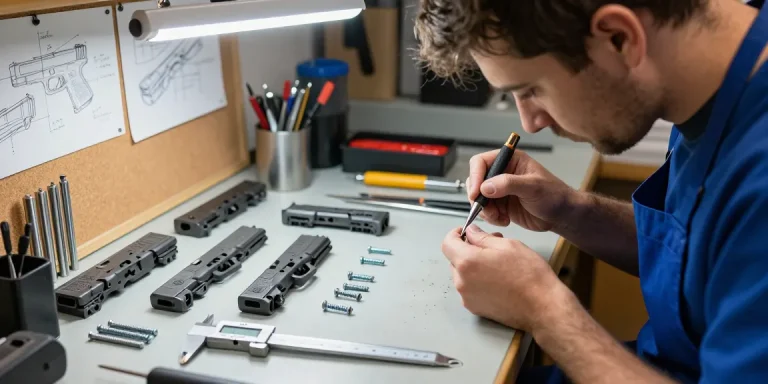
Before selecting foam, accurately measuring your rifle is essential. This involves measuring the overall length and height, along with the components such as scopes or accessories. A precise measurement ensures that the foam accommodates your rifle snugly, which is crucial for its stability and security during transport.
Evaluating Foam Density and Thickness
Foam density plays a crucial role in its performance. Higher density foam often provides better shock absorption, contributing to the overall protective capability of the rifle case. Also, consider the thickness of the foam; too thin may not provide enough cushioning, while too thick can take away storage space. Aim for a balance that offers protection while maintaining an efficient design.
Personalizing Foam Cutouts
Personalizing foam cutouts allows you to create slots specifically designed for your firearm’s shape and attachments. Using templates, you can ensure that each part has its place, making it easy to access while keeping everything secure. Custom cutouts also enhance aesthetic appeal, offering a professional look to your rifle case.
Maintenance and Care for Foam in Rifle Case
Cleaning and Upkeep Guidelines
Routine maintenance of the foam in your rifle case is vital to its longevity. For cleaning, use a mild detergent mixed with warm water on a soft cloth. Always allow the foam to air dry completely before reinserting it into the case to avoid mold and mildew build-up.
How to Prevent Deterioration of Foam
To prevent foam deterioration, store your rifle case in a cool, dry environment away from direct sunlight. UV rays can break down foam material, causing it to crumble or lose its cushioning properties. Additionally, avoid placing heavy objects on top of the case, and inspect the foam regularly for signs of wear.
Storing Your Rifle Case Properly
Proper storage of your rifle case is equally important. Ensure it remains upright to avoid compressing the foam. Utilizing case covers can shield your rifle case from dust and moisture, further extending the life of both your case and its contents.
Common Challenges with Foam for Rifle Case
Identifying Suitable Foam Types
Choosing the right foam can be daunting due to the various options available. One way to simplify the process is to consider the environment in which your rifle will be stored or transported. For instance, if exposed to moisture, opt for closed-cell foam for better water resistance. Consulting knowledgeable sources or forums can also ease the decision-making process.
Addressing Wear and Tear Over Time
Over time, even the best-quality foam will show signs of wear and tear. Regular inspections can help you identify when it’s time for a replacement. Signs include loss of shape, crumbling edges, or a foul smell, which indicates decomposition. Addressing these issues promptly can prevent damage to your firearm.
Finding the Right Provider for Custom Foam
Finding a reliable provider for custom foam inserts is critical for ensuring quality and fit. Look for manufacturers that specialize in custom solutions, offering clear communication and customer support. Checking reviews and testimonials can provide insight into their reliability and product quality.
FAQs About Foam for Rifle Case
What type of foam should I use for my rifle case?
The best foam for a rifle case includes high-density polyethylene or closed-cell foam which offers superior shock absorption and durability.
How can I get custom foam inserted in my rifle case?
You can order custom foam inserts from specialized manufacturers online by submitting your rifle’s measurements and desired cutouts.
How should I clean the foam in my rifle case?
To clean your foam, use a mild soap solution and a soft cloth. Avoid soaking and make sure it’s fully dry before closing the case.
Will the foam in my rifle case deteriorate over time?
Yes, foam can deteriorate due to UV exposure, moisture, and wear. Regular inspection and proper storage will prolong its life.
Can I replace the foam in my rifle case?
Absolutely, replacing foam in your rifle case is simple. You can purchase replacement foam or custom inserts based on your needs.