Understanding the Role of Glass Machine Manufacturers
In an era where the demand for high-quality glass products is surging, the significance of glass machine manufacturers cannot be overstated. These manufacturers play a critical role in the production process, supplying various specialized machines to meet the diverse needs of the glass industry. From architectural glass to automotive applications, the machinery used not only shapes the product quality but also influences manufacturing efficiency and overall profitability.
What Are Glass Machines and Their Functions?
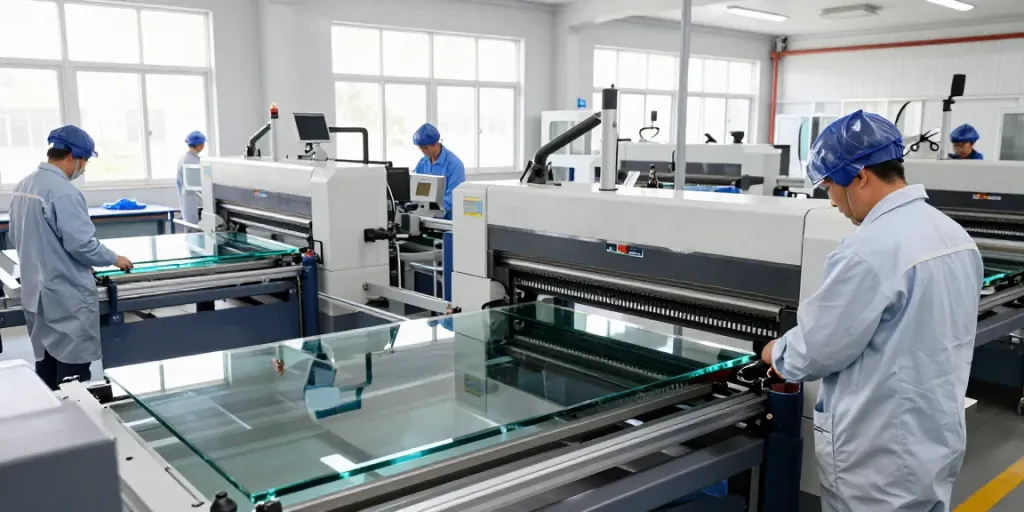
Glass machines are specialized equipment designed to process glass into finished products or to enhance the quality of glass surfaces. Each machine serves a distinct purpose in the production line:
- Glass Cutting Machines: These machines are essential for accurately cutting glass sheets to specified dimensions, ensuring precision and reducing waste.
- Glass Washing Machines: These ensure that glass surfaces are free from contaminants before undergoing further processing, which is crucial for ensuring adhesion and clarity.
- Glass Edge Polishing Machines: These enhance the aesthetic appeal of glass by smoothing the edges, making them safe for handling and installation.
- Insulating Glass Production Lines: These systems are vital for creating double or triple-pane windows that provide better insulation and energy efficiency.
- Glass Laminating Machines: These machines increase the strength and safety of glass products, commonly used in automotive and architectural applications.
Key Types of Machines Used in Glass Manufacturing
The glass manufacturing process utilizes a variety of machines, each tailored for specific tasks within the production cycle. The primary categories include:
- CNC Glass Machines: Allow for precision cutting and engraving with computer-controlled accuracy.
- Glass Drilling Machines: Used to create holes in glass for mounting hardware, essential for both functional and aesthetic purposes.
- Glass Sandblasting Machines: These offer surface texturing and functional enhancements, providing decorative finishes.
- Laser Machines: Employed for fine cutting, engraving, and marking on glass surfaces, allowing for intricate designs and logos.
- PVC Window and Door Machines: Crucial for fabricating window and door frames, integrating glass components seamlessly into the building structure.
How Glass Machine Manufacturers Support Industry Growth
Glass machine manufacturers are instrumental in the growth of the glass industry by continually improving their machines. By focusing on advanced technology, these manufacturers help companies innovate and stay competitive. Collaborations can lead to:
- Enhanced operational efficiency through automation and advanced manufacturing processes.
- Product diversification, allowing manufacturers to offer new types of glass products in response to market trends.
- Improved sustainability practices by reducing waste and energy consumption through efficient machinery.
Benefits of Collaborating with Expert Glass Machine Manufacturers
Improved Product Quality and Consistency
One of the primary benefits of working with reputable glass machine manufacturers is the significant improvement in product quality. High-precision machines guarantee consistent dimensions and finishes, essential for meeting industry standards and customer expectations. This consistency not only enhances brand reputation but also minimizes the chances of product rejections due to defects.
Cost-Effectiveness and ROI Advantages
Investing in technology from experienced manufacturers often yields long-term cost savings. Advanced glass machines, while initially more expensive, offer better energy efficiency, reduced labor costs, and lower maintenance expenses. Moreover, increased output and reduced waste translate into a higher return on investment (ROI) for business owners.
Expert Support and Maintenance Solutions
Partnering with leading glass machine manufacturers often provides access to expert support and maintenance. Regular maintenance services and technical support can prolong the lifespan of equipment, ensuring that manufacturers face fewer disruptions and maintain their production schedules. This support can include on-site training for staff, helping them maximize the efficiency of the machinery.
Challenges Faced by Glass Machine Manufacturers Today
Supply Chain Disruptions and Material Shortages
The global supply chain has faced unprecedented challenges, and glass machine manufacturers are no exception. Material shortages can delay production timelines and inflate costs. Manufacturers must adapt by finding alternative suppliers or reconsidering their raw material sourcing strategies to maintain operational continuity.
Technological Advancements and Competition
The fast-paced nature of technological advancement means that glass machine manufacturers must keep up with new developments to remain competitive. This requires continuous investment in research and development, which can be a significant financial burden but is necessary to keep pace with emerging trends such as automation and smart technology integration.
Meeting Environmental Standards and Sustainability Goals
As environmental regulations become stricter, glass machine manufacturers are challenged to innovate sustainably. This includes designing machines that are more energy-efficient and produce less waste, thus aligning with global sustainability goals. Manufacturers need to invest in eco-friendly technologies and practices to not only comply with regulations but also appeal to environmentally conscious consumers.
Future Trends in the Glass Manufacturing Industry
Innovations in Glass Processing Technology
Future glass manufacturing is expected to be shaped by innovations in processing technology. The introduction of augmented reality (AR) in machinery setup and maintenance is already beginning to revolutionize the industry, allowing operators to visualize processes in real time and improving decision-making.
The Impact of Automation and AI on Production
Automation and artificial intelligence are set to transform glass manufacturing. Automated systems can optimize production schedules, reduce labor costs, and improve accuracy. Additionally, AI can analyze production data to identify patterns, leading to further operational enhancements and predictive maintenance solutions.
Predictions for Market Growth in 2026
Market analysts foresee robust growth in the glass manufacturing sector by 2026, driven by demand in various sectors such as construction, automotive, and consumer goods. The integration of smart technology in glass products and the increasing preference for energy-efficient solutions will likely bolster this growth, positioning glass machine manufacturers at the forefront of industrial innovation.
Choosing the Right Glass Machine Manufacturer for Your Needs
Criteria for Evaluating Manufacturers
When selecting a glass machine manufacturer, businesses should consider several criteria to ensure they choose a reliable partner:
- Expertise and Experience: Look for manufacturers with a proven track record in the glass industry, ideally with experience in the specific machines you require.
- Technology and Innovation: Evaluate whether the manufacturer invests in research and development to stay at the forefront of technological advances.
- Customer Support: Assess the level of support offered post-purchase, including maintenance services and training for staff.
Understanding Your Specific Requirements
Every glass manufacturing operation has unique requirements based on product types and production volume. Engage in a thorough assessment of your needs to ensure the chosen machinery aligns with your operational goals. Consider factors such as:
- Production capacity and scalability potential.
- Specific glass types and thicknesses you plan to work with.
- Your budget constraints and expected ROI.
Case Studies of Successful Partnerships
Learning from successful partnerships between glass manufacturers and machine suppliers offers valuable insights. For instance, a case study involving a prominent architectural glass company demonstrated how investing in advanced insulating glass production lines helped them reduce their energy consumption by 30%, showcasing the pivotal role that innovative machinery plays in enhancing operational efficiencies.
Frequently Asked Questions
Who is the biggest glass manufacturer?
Several companies hold significant market shares in the global glass manufacturing industry, including Saint-Gobain, AGC Inc., and NSG Group. These companies dominate due to their extensive operations and diverse product offerings.
What are the major types of glass production machines?
The major types of machines include cutting machines, washing machines, edge polishing machines, laminating machines, and CNC machines, each serving different roles in the manufacturing process.
How do I find reliable glass machine manufacturers near me?
Utilizing online resources and industry directories can help locate reliable glass machine manufacturers. Attending trade shows and industry conferences can also facilitate connections with reputable suppliers.
What should I consider when investing in glass machinery?
Key considerations include the specific functions required, the technological capabilities of the machinery, operational costs, and the manufacturer's reputation for support and service.
What is the cost range for glass production machines?
The cost of glass production machines can vary widely based on type and specifications, ranging from a few thousand dollars for basic units to several hundred thousand for advanced, automated systems.