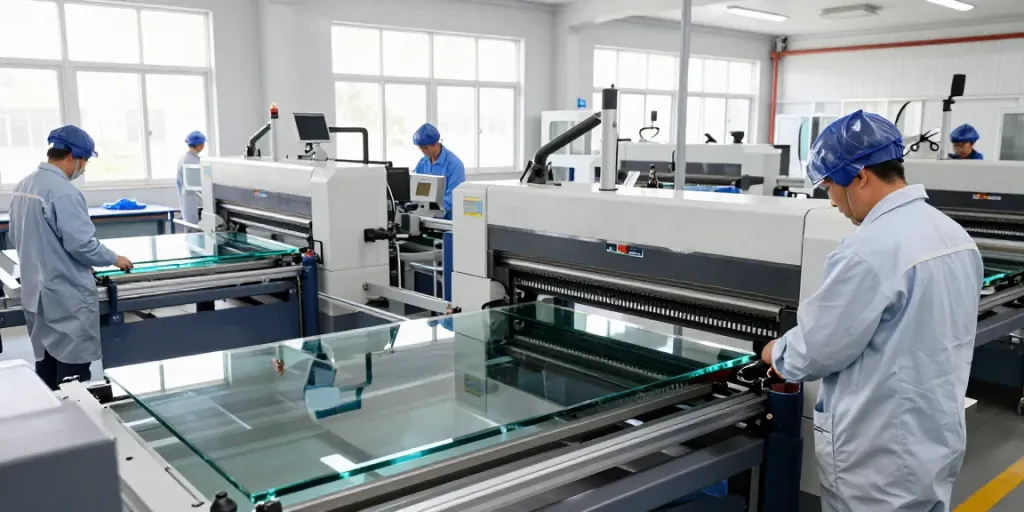
Understanding GRP Grating and Its Applications
Glass Reinforced Plastic (GRP) grating has seen a rapidly growing presence in various industries due to its unique properties and versatility. Composed of a high-strength polymer matrix reinforced with glass fibers, GRP offers an excellent alternative to traditional materials such as steel or wood. Understanding the GRP Grating Supplier landscape is vital for professionals seeking solutions for their flooring, walkways, or platform needs. This article delves deep into GRP grating's characteristics, applications, and many advantages across different sectors.
What is GRP Grating?
GRP grating is a composite material usually fabricated from a combination of epoxy or polyester resin reinforced with fiberglass, providing substantial weight-to-strength characteristics. This unique composition makes GRP grating lightweight yet robust and resistant to a variety of environmental factors, including corrosion, chemicals, and extreme weather conditions. Typically available in various designs—both molded and pultruded—GRP grating fulfills the needs of various applications while ensuring compliance with industry standards.
Applications Across Industries
The versatility of GRP grating enables its use across a multitude of sectors, including:
- Chemical and Pharmaceutical: GRP grating's resistance to chemical corrosion makes it an ideal choice for flooring in facilities where spills and chemical exposure occur frequently.
- Water and Wastewater Treatment: GRP grating is employed in treatment plants due to its low maintenance requirements and ability to withstand harsh conditions.
- Marine and Offshore: The lightweight and non-slip surface of GRP grating makes it suitable for docks and offshore platforms, reducing overall weight burdens without compromising safety.
- Construction: Many construction companies utilize GRP grating for walkways and platforms, providing a sturdy yet safe surface for staff and equipment.
- Transportation: In railways and airports, GRP grating systems enhance safety and provide an easy-to-maintain surface.
Advantages of GRP Grating
The benefits of incorporating GRP grating into projects are numerous:
- Corrosion Resistance: GRP grating does not rust, making it a long-lasting option in corrosive environments.
- Lightweight: Being much lighter than steel or aluminum, GRP grating reduces transport costs and makes installation easier.
- Cost-Effectiveness: With lower maintenance over its lifespan, GRP grating often results in lower total cost of ownership.
- Safety Features: Most GRP products feature a non-slip surface, which can be designed to meet specific safety standards.
- Customizability: GRP grating is available in various colors, sizes, and configurations, easily tailored to specific project needs.
Key Factors to Consider When Selecting a GRP Grating Supplier
Choosing the right supplier of GRP grating is critical for ensuring that your projects meet the necessary safety and quality standards. Here are essential factors to consider:
Quality and Compliance Standards
It is crucial to verify if the supplier adheres to international compliance standards such as ISO or ASTM. An established supplier often provides documentation that guarantees that their products meet safety and quality benchmarks.
Range of Products Offered
Different projects have distinct requirements, so ensure that the supplier offers a comprehensive range of GRP grating types. This could include molded, pultruded, and specialized options, which might be necessary for unique applications.
Customer Support and Services
Reliable customer support can make a significant difference when challenges arise during installation or maintenance. It is advisable to work with suppliers who offer technical assistance, installation services, and after-sales support.
Comparing GRP Grating Suppliers: A Checklist
To streamline your selection process for a GRP grating supplier, use the following checklist to ensure you cover all bases:
Price vs. Quality Balance
While lower prices may be attractive, they often come at the cost of quality. It is crucial to analyze the value proposition of products offered at different price points.
Supplier Reputation and Reviews
Look for customer testimonials and industry reviews that reflect the supplier's reputation. Peer insights can provide indications of reliability and product performance.
Delivery and Installation Services
Timeliness and efficiency in delivery are essential. Inquire whether the supplier can provide installation services and assess their track record for on-time delivery.
FAQs About GRP Grating Suppliers
Common Questions Answered
What are the primary benefits of GRP grating?
GRP grating offers lightweight construction, corrosion resistance, low maintenance, and customizable options, making it a versatile choice for various industries.
How long does GRP grating last?
With minimal maintenance, GRP grating can last for decades, providing significant value and durability over time compared to conventional materials.
Is GRP grating environmentally friendly?
Many GRP products can be recycled, and they often have a lower ecological footprint during manufacturing and throughout their lifespan compared to traditional materials.
How can I ensure the quality of GRP grating?
Verify compliance with national and international standards, and request detailed specifications and certifications from your supplier.
What factors influence the price of GRP grating?
Prices can vary based on material quality, the complexity of customizations, volume orders, and the supplier's operational costs.
Future Trends in GRP Grating Solutions
The future of GRP grating looks promising with advancements in production techniques and increasing environmental awareness driving trends in the industry.
Innovative Manufacturing Techniques
As technology advances, new methods such as 3D printing and automated processes are being implemented to enhance the manufacturing efficiency and customization capabilities of GRP grating. These innovations could provide opportunities for even more precise design modifications and quicker turnaround times.
Environmental Considerations
With a growing emphasis on sustainability, future GRP products will likely incorporate environmentally friendly manufacturing processes using bio-resins and recyclable materials, thereby reducing their ecological impact throughout their lifecycle.
Future Market Forecasts
The demand for GRP grating is expected to continue rising, particularly in regions emphasizing infrastructure development and industrial growth. As markets evolve, suppliers that prioritize innovation and eco-friendliness will likely be positioned ahead of the competition.