
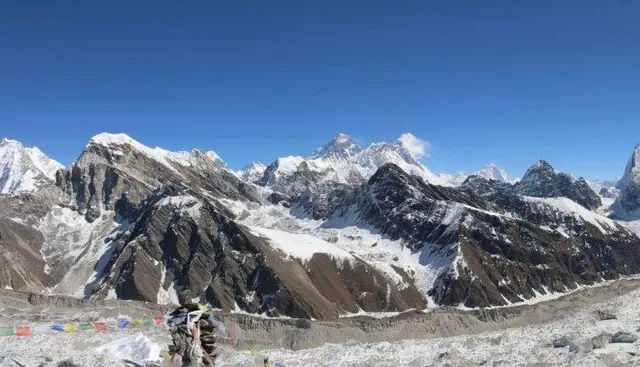
Standing beneath Mount Everest is a dream for many adventure travelers, but one question often comes up before planning the journey: Can a beginner trek to Everest Base Camp? The short answer is yes. You do not need previous Himalayan trekking experience or technical mountaineering skills to reach Everest Base Camp.
However, being a beginner does not mean the trek is easy. The route takes you through challenging mountain terrain, long walking days, and elevations above 5,000 meters. Altitude is one of the biggest challenges, and proper acclimatization is essential. Physical preparation, suitable equipment, a carefully planned itinerary, and experienced support can make a significant difference.
The good news is that the trek is achievable for people with a reasonable level of fitness who prepare properly and understand what they are taking on. With realistic expectations and the right approach, first-time trekkers can experience the incredible landscapes, mountain villages, and Sherpa culture of the Khumbu region.
This guide explains what beginners should know before deciding whether the Everest Base Camp Trek is right for them.
1. Do You Need Trekking Experience?
No. Previous high-altitude trekking experience is helpful, but it is not a requirement.
The route to Everest Base Camp follows established mountain trails. You do not need climbing ropes, technical climbing equipment, or mountaineering skills to complete the trek.
What you do need is the ability to walk for several hours on consecutive days. The terrain can include rocky paths, steep sections, stone staircases, suspension bridges, and uneven surfaces.
If you regularly walk, hike, exercise, or participate in other endurance activities, you can build the fitness needed for the trek with consistent preparation.
The most important thing is not previous experience but understanding the demands of the journey and preparing your body and mind accordingly.
2. How Difficult Is the Trek for a Beginner?
The Everest Base Camp trek is generally considered a challenging trek, particularly because of its altitude and duration.
A typical itinerary takes around 12 to 14 days, including acclimatization days. You may spend approximately 5 to 8 hours walking on many trekking days.
The difficulty comes from several factors:
- High altitude
- Long walking days
- Steep climbs and descents
- Cold temperatures
- Remote mountain conditions
- Changing weather
You do not have to walk quickly. In fact, maintaining a slow and steady pace is often better at higher elevations.
The goal is to conserve energy and allow your body to gradually adjust to the changing environment.
3. Altitude Is the Biggest Challenge
For most beginners, altitude presents a greater challenge than the actual walking.
Everest Base Camp sits at approximately 5,364 meters (17,598 feet) above sea level. At this elevation, there is considerably less oxygen available than at sea level.
Your body needs time to adapt as you gain altitude. This process is called acclimatization.
Common symptoms of mild altitude sickness can include:
- Headache
- Tiredness
- Dizziness
- Reduced appetite
- Difficulty sleeping
- Nausea
You should never ignore symptoms that are getting worse. Inform your guide immediately and follow their advice.
A good trekking itinerary includes acclimatization days at suitable elevations. These days are not simply for resting. Short hikes to higher elevations can help your body adapt while allowing you to return to a lower elevation to sleep.
4. How Fit Do You Need to Be?
You do not need to be an elite athlete.
However, you should be comfortable with extended periods of walking and should prepare your body several weeks before departure.
Ideally, begin structured training 8 to 12 weeks before your trek.
Focus on:
· Cardiovascular endurance:Walking, jogging, cycling, swimming, and stair climbing can help improve your stamina.
· Leg strength:Squats, lunges, step-ups, and similar exercises can strengthen the muscles you will use during long climbs and descents.
· Core strength:A stronger core can improve balance and help you carry your backpack more comfortably.
· Hiking practice:If possible, go on regular hikes before your trip. Gradually increase the distance and elevation gain.Try carrying a light backpack during some training sessions so your body becomes accustomed to walking with additional weight.
5. Start Training Gradually
One common mistake beginners make is trying to become extremely fit in a short period.
You do not need to train excessively. Consistency is more valuable than pushing yourself too hard.
Start with manageable walks and gradually increase their duration. Include hills or stairs whenever possible because the trek involves frequent elevation changes.
During the final weeks before your departure, focus on maintaining your fitness rather than attempting to achieve major improvements.
You should also allow enough time for recovery. Rest days are an important part of any training program.
6. Choose an Itinerary With Enough Acclimatization
A rushed itinerary may look attractive because it reduces the number of days and potentially lowers costs. However, it can make the trek considerably more difficult.
Beginners should prioritize an itinerary that allows gradual altitude gain and appropriate acclimatization.
A typical itinerary includes rest or acclimatization days around places such as Namche Bazaar and Dingboche.
These days give your body additional time to adjust before you move higher.
Do not treat acclimatization days as unnecessary delays. They are an important part of a safe and enjoyable high-altitude trek.
7. Should Beginners Hire a Guide?
For a first Himalayan trek, having an experienced guide can be extremely helpful.
A professional guide can help you manage:
- Daily walking pace
- Acclimatization
- Trail navigation
- Accommodation
- Meals
- Local logistics
- Weather-related changes
- Emergency situations
A guide also provides valuable insight into local culture, history, and the communities along the route.
Beginners may also consider hiring a porter. Carrying only a small daypack can make long walking days much more comfortable.
8. What Should a Beginner Pack?
Packing correctly is essential. You need enough equipment to stay comfortable and safe without carrying unnecessary weight.
Important items include:
- Comfortable trekking boots
- Moisture-wicking base layers
- Warm insulating layers
- Waterproof jacket and trousers
- Warm hat and gloves
- Good-quality trekking socks
- Sunglasses
- Sunscreen
- Water bottles
- Headlamp
- Trekking poles
- Sleeping bag
- Personal medication
- Basic first aid supplies
- Power bank
- Backpack rain cover
Use layers rather than carrying one extremely heavy jacket. This allows you to adjust your clothing as temperatures change throughout the day.
Most importantly, break in your trekking boots before the trip. New boots can cause painful blisters and make the first few days unnecessarily difficult.
9. What Is Accommodation Like?
Beginners should understand that accommodation becomes more basic as you move deeper into the mountains.
Tea houses provide simple rooms, beds, blankets, and communal dining areas. Some facilities may include shared bathrooms, while hot showers and charging services may cost extra in higher villages.
You should not expect the same level of comfort available in Kathmandu or other major cities.
A good sleeping bag, warm clothing, and a few personal comfort items can make a significant difference.
The simple accommodation is also part of what makes the experience special. Evenings are often spent in communal dining areas where trekkers share stories and enjoy meals while surrounded by the mountains.
10. Choose the Right Trekking Season
The time of year can significantly affect your experience.
Spring, from March to May, generally offers pleasant trekking conditions, blooming rhododendrons, and good mountain views.
Autumn, from September to November, is another popular period because of generally stable weather and clear visibility.
Winter, from December to February, brings colder conditions and possible snow at higher elevations. The trails are quieter, but beginners need to be prepared for low temperatures.
Monsoon, from June to August, brings rainfall and cloud cover, and transportation disruptions can occur.
For a first-time trekker, spring and autumn are generally the easiest seasons to consider.
11. Learn to Walk at Your Own Pace
You will meet trekkers with different levels of fitness along the trail. Some will move quickly while others will walk slowly.
Do not feel pressured to match someone else's pace.
A steady rhythm is often more effective than walking quickly and taking long breaks. Take smaller steps on steep sections, breathe naturally, and stop when you need a short rest.
At higher elevations, slow and steady is particularly important.
Your goal is not to win a race. Your goal is to reach your destination safely while enjoying the journey.
12. Eat and Hydrate Properly
Your body needs sufficient energy during a multi-day trek.
Eat regular meals and choose foods that provide carbohydrates, protein, and other essential nutrients. Local tea houses offer a variety of meals, including dal bhat, noodles, soups, rice dishes, and other simple options.
Hydration is equally important.
Drink water regularly throughout the day rather than waiting until you become thirsty. You should also have a reliable method of treating drinking water when necessary.
Avoid excessive alcohol at altitude because it can contribute to dehydration and may interfere with your body's adjustment to elevation.
13. Prepare Mentally, Not Just Physically
Physical preparation is important, but mental preparation can be just as valuable.
There will be days when you feel tired. The weather may not always cooperate, and the trail may feel harder than expected.
Accept that the journey will have difficult moments.
Instead of focusing only on reaching Base Camp, appreciate the smaller experiences along the way:
- Crossing suspension bridges
- Walking through pine and rhododendron forests
- Meeting local people
- Exploring mountain villages
- Watching Himalayan sunrises
- Sharing meals with fellow trekkers
The journey itself is a major part of the experience.
14. Stay Flexible
Mountain travel is unpredictable.
Flights can be delayed because of weather, trails can become difficult because of snowfall or rainfall, and your body may require additional rest.
Building some flexibility into your travel schedule is therefore a smart idea.
If possible, keep extra days available before your international flight home. Travel insurance that covers trekking at the relevant altitude and emergency evacuation is also worth considering.
Being flexible allows you to respond to changing circumstances without turning every delay into a major problem.
Practical Tips for First-Time Trekkers
If you are planning your first trek to Everest Base Camp, keep these tips in mind:
- Start training 8 to 12 weeks before your trip.
- Practice hiking on hills or stairs.
- Break in your trekking boots before departure.
- Choose an itinerary with proper acclimatization days.
- Walk slowly and maintain a comfortable pace.
- Stay hydrated throughout the trek.
- Eat regularly even when your appetite is lower.
- Pack layers rather than excessive clothing.
- Keep your backpack as light as practical.
- Listen to your guide and communicate any health concerns.
- Never ignore worsening altitude-related symptoms.
- Carry travel insurance suitable for high-altitude trekking.
- Keep buffer days for possible flight or weather delays.
- Focus on enjoying the journey instead of rushing toward the destination.
So, Can a Beginner Trek to Everest Base Camp?
Yes, a beginner can trek to Everest Base Camp.
You do not need technical climbing experience or years of trekking behind you. What you need is reasonable fitness, adequate preparation, a well-designed itinerary, proper acclimatization, and respect for the mountain environment.
The biggest challenge is altitude, so beginners should never underestimate the importance of acclimatization and pacing. Training before the trip, packing appropriate equipment, staying hydrated, and listening to your body can all contribute to a better experience.
Choosing experienced guides and allowing enough time for the journey can also make the trek more manageable for first-time trekkers.
Conclusion
Reaching Everest Base Camp is challenging, but it is not an impossible goal for someone who has never trekked in the Himalayas. With the right preparation and mindset, beginners can successfully take on the journey and experience one of Nepal's most remarkable adventures.
The key is to prepare rather than underestimate. Train your body, understand the effects of altitude, choose an appropriate itinerary, pack carefully, and give yourself enough time to adapt.
Most importantly, remember that the experience is about more than reaching a particular point on the map. The mountain villages, landscapes, people, culture, and challenges along the trail are all part of the adventure.
For a first-time trekker, reaching Everest Base Camp can be more than a travel achievement. It can be an experience that builds confidence, creates lasting memories, and inspires you to explore more of the Himalayas.