



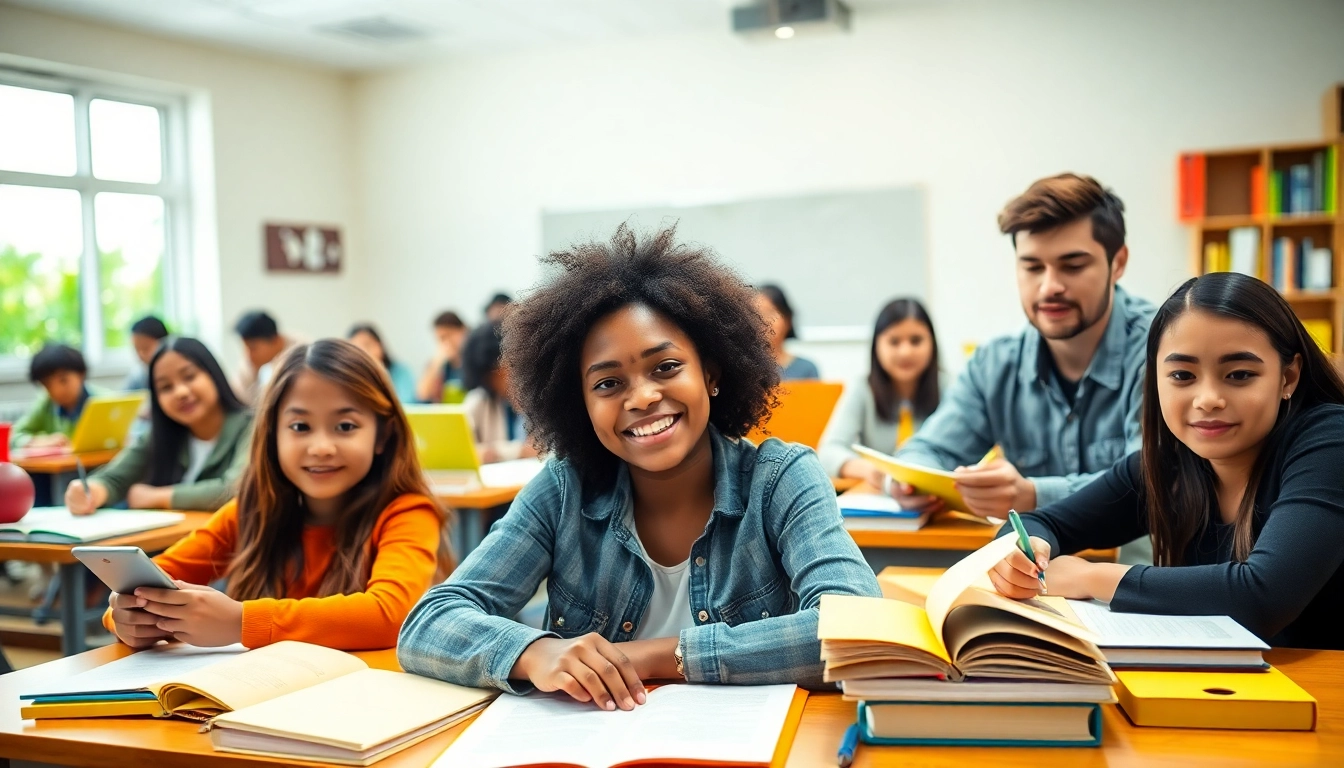
The Importance of Education Today
In today’s rapidly changing world, Education serves as a crucial cornerstone for personal development and societal progress. As we navigate through the complexities of modern life, the significance of acquiring knowledge and skills becomes even more pivotal. Education is not merely about rote learning; it is about empowering individuals to think critically, engage with their communities, and contribute positively to society.
Understanding Education’s Role in Society
Education plays an essential role in shaping societies and fostering civic engagement. It equips individuals with the ability to understand their rights, access opportunities, and make informed decisions. Education helps to cultivate awareness about social issues, encouraging students to participate in democratic processes and hold their leaders accountable. By providing a framework for critical thinking and ethical reasoning, education lays the groundwork for an active and engaged citizenry.
How Education Impacts Economic Growth
The relationship between education and economic growth is well-documented. Economies with a high level of education tend to be more productive and innovative. Educated individuals contribute to high-value jobs and are more likely to engage in entrepreneurial ventures, thus stimulating economic activity. Furthermore, as the workforce becomes increasingly globalized and technologically advanced, the demand for a skilled labor force will only heighten. Therefore, investment in education is not just beneficial but necessary for sustainable economic development.
Education and Social Mobility: Bridging Inequalities
Education is often referred to as the “great equalizer,” because it has the potential to level the playing field for individuals from diverse backgrounds. Access to quality education can enable individuals to break the cycle of poverty, enhance social mobility, and improve their quality of life. While challenges remain—such as socioeconomic disparities and systemic barriers—efforts to improve education systems can lead to a more equitable society where opportunities are based on merit rather than circumstance.
Types of Education: Formal, Informal, and Non-Formal
Defining Formal Education: Structure and Systems
Formal education is structured, systematic, and delivered in a designated institution such as schools, universities, or colleges. This type of education follows a specific curriculum and is often tiered by levels, ranging from primary, secondary, to tertiary education. Formal education is recognized by certifications and degrees, which can be essential for job placements and advanced study. The focus is generally on academic achievement, providing a foundation of knowledge and skills necessary for future success.
Exploring Informal Education in Real Life
Informal education occurs outside the structured confines of a classroom and is characterized by spontaneous learning experiences. It includes learning that takes place through life experiences, household responsibilities, community engagements, and self-directed study. For instance, a child learning to cook from a parent or someone acquiring skills through volunteer work illustrates informal education. While it may not result in formal credentials, it greatly contributes to personal development and lifelong learning.
Non-Formal Education: Flexibility and Impact
Non-formal education bridges the gap between formal and informal education. It offers structured but flexible educational opportunities and does not follow the rigid frameworks of traditional schools. Examples include adult education programs, vocational training, workshops, and online courses. This style of education often caters to specific needs and learners and plays a vital role in communities by providing access to essential training and knowledge that might not be available through formal education channels.
Innovative Strategies for Effective Learning
Utilizing Technology in Education
As technology rapidly evolves, its integration within education presents numerous opportunities for innovation. Technologies like online learning platforms, digital textbooks, and interactive software facilitate personalized learning experiences. Educational technology enhances engagement and motivation, allowing learners to grasp complex concepts through visual and interactive means. Furthermore, technology fosters inclusivity by providing resources accessible to students with disabilities, thus enriching the learning environment.
Project-Based Learning: Engaging Students
Project-based learning (PBL) encourages students to learn through hands-on projects and real-world problem-solving. This pedagogical approach fosters deeper understanding and retention of knowledge, as students actively engage with the subject matter. PBL instills skills such as teamwork, communication, and critical thinking. By addressing practical issues or topics of interest, students are more likely to remain invested in their education and develop a lifelong love for learning.
The Role of Mentorship in Educational Success
Mentorship is an invaluable component of education, providing guidance, support, and motivation to learners of all ages. Mentors can help students navigate academic challenges, explore career paths, and develop interpersonal skills. Having someone to provide insight based on experience can significantly enhance a learner’s journey and outcomes. Implementing mentorship programs within educational institutions can create a more supportive and enriched learning environment where students feel valued and understood.
Measuring Success: Metrics in Education
Evaluating Educational Outcomes and Effectiveness
Measuring the success of educational programs and initiatives involves collecting and analyzing various indicators such as test scores, graduation rates, and student engagement levels. These metrics help educators and administrators assess the effectiveness of teaching methodologies and curricular design. However, it is essential to consider qualitative outcomes as well, such as student satisfaction and emotional well-being in educational assessments to achieve a holistic understanding of educational effectiveness.
Using Data to Drive Educational Policy
Data-driven decision-making is critical in shaping educational policies and practices. By analyzing data from multiple sources, policymakers can identify trends, highlight disparities, and allocate resources more effectively. It enables stakeholders to make informed decisions that align with the needs of students and educators. Continuous feedback loops and performance analytics can further enhance educational strategies, ensuring that they evolve and adapt in response to changing requirements and expectations.
Impact of Assessment Methods in Learning
Assessment methods significantly influence learning outcomes. Traditional testing methods often focus solely on memorization and recall, whereas alternative assessment approaches, such as formative assessments and project evaluations, emphasize critical thinking and problem-solving skills. By diversifying assessment strategies, educators can foster a more comprehensive understanding of student learning and provide targeted support to enhance their skills and knowledge effectively.
The Future of Education: Trends and Predictions
Adapting to Changes in a Globalized World
The future of education is heavily influenced by globalization. As the world becomes more interconnected, educational practices must adapt to meet the diverse needs of students across cultures and borders. Emphasizing global citizenship, cultural awareness, and multilingualism can prepare learners for successful careers in a global marketplace. Education systems must also strive to be more responsive to the needs of different communities, ensuring that they remain relevant and inclusive.
Preparing for Technological Advancements
Technological advancements will continue to reshape education at both the classroom and institutional levels. Innovative pedagogies, such as blended learning and personalized education experiences driven by artificial intelligence, will become increasingly prevalent. Educational institutions must prepare for these changes by investing in training educators to leverage technology effectively and integrating these tools into the curriculum to enhance learning experiences.
Envisioning Inclusive Education Systems
Inclusive education aims to provide equal access and opportunities for all individuals, regardless of their background or abilities. As awareness of diversity increases, educational systems must adapt to embrace and celebrate this diversity. This may involve revising curricula, retraining educators, and developing policies that ensure equitable resource distribution. Envisioning inclusive education systems requires a concerted effort from all stakeholders, including governments, educators, parents, and communities, to create an environment that nurtures every learner’s potential.